Nashville is a city of storefronts.
Walk down Broadway and every honky tonk is its own brand – different music spilling out onto the street, different crowds pulling you in, different energy depending on the time of day. Some are packed, some are laid back, but none are trying to be everything to everyone. Each one knows exactly who it’s for.
That ended up being the perfect setting for the BDSS AI and Ecom Mastery Summit because over three days, that was the underlying theme: e-commerce is no longer one storefront. It’s all of them.
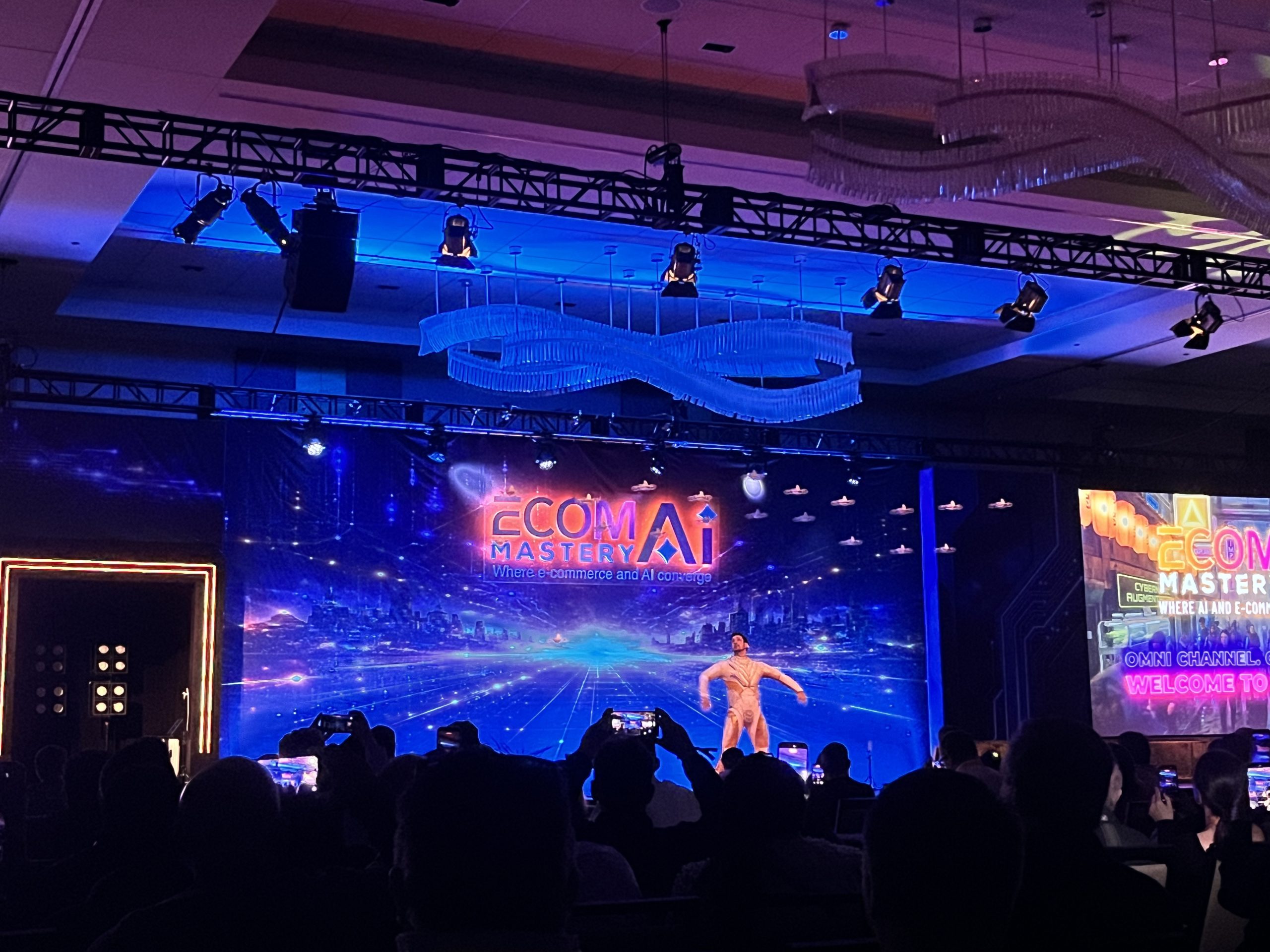
The summit opened with a futuristic drone performance – something between a Cirque du Soleil act and a tech demo – which felt almost out of place in a city so rooted in history (Grand Ole Opry, anyone?). But that contrast stuck, and the entire summit lived in that tension between where commerce has been and where it’s going.
Here are a few highlights from 3 days in Music City:
Kevin King: The End of the Single-Channel Seller
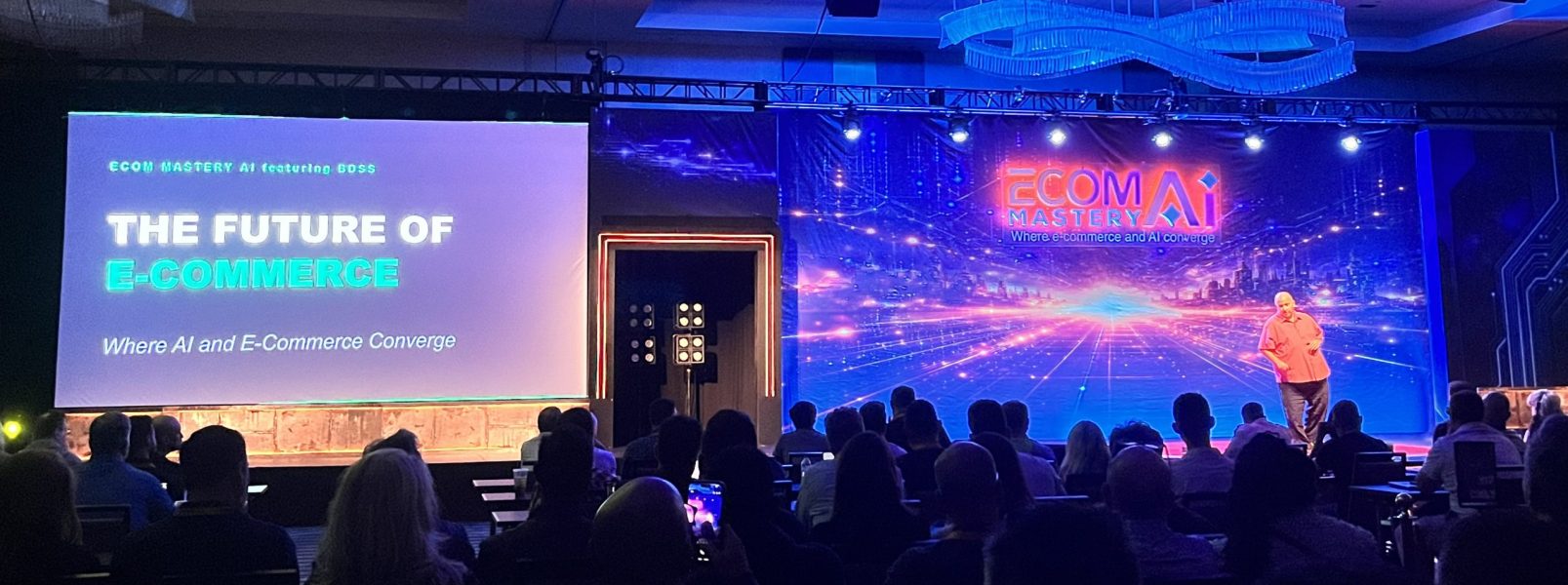
Kevin King (Billion Dollar Sellers) set the tone early with what was probably the most straightforward framework of the week. He broke down the modern buyer journey into three simple paths – straight to site, discovery, and ask – and made the point that most sellers are still only really optimized for one of them. The truth is, you need to be visible in all 3.
That means showing up when a customer already knows what they want, when they’re passively discovering something on TikTok or Instagram, and increasingly, when they’re asking a question inside an AI tool. What stood out wasn’t just the framework itself, but the implication: visibility is no longer about ranking well in one place. It’s about being present everywhere your customer might be influenced.
Kevin reinforced that idea by reframing Amazon’s role entirely.
“Amazon is the shopping cart of choice… but it’s not always where they find your product.”
In other words, Amazon hasn’t lost importance, but it has shifted position. People are discovering products elsewhere, forming opinions elsewhere, and then going to Amazon to complete the purchase. That shift alone changes how brands need to think about growth.
Dan Ashburn: Where the Journey Ends
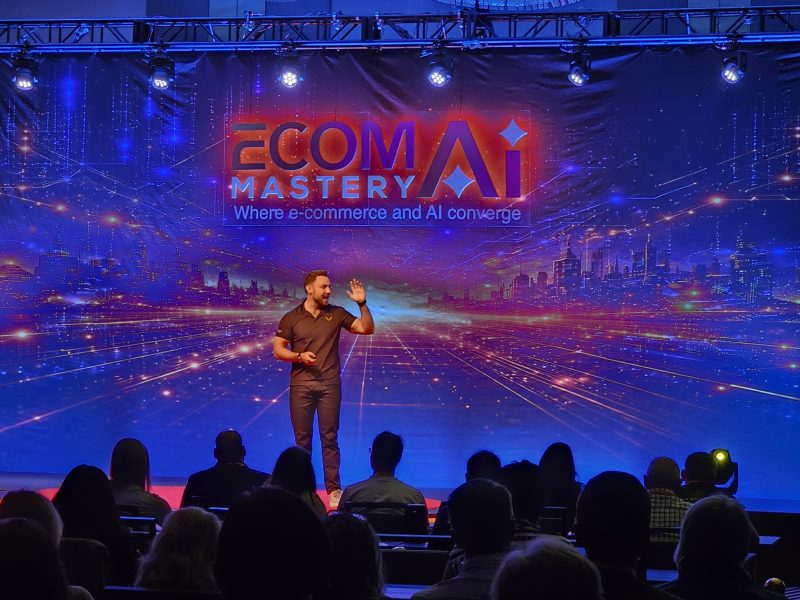
Dan Ashburn (Titan Network) built on that same idea, but from a slightly different angle. If Kevin reframed discovery, Dan reframed conversion.
“It’s no longer where the journey starts. It’s where the journey ends.”
That line lingered.
For years, sellers obsessed over how to get customers onto Amazon. Now, the more important question is how customers are arriving there in the first place. The path is no longer linear, and in many cases, Amazon is simply the final step in a much longer journey.
Dan pointed to brands like Poppi Soda as a clear example of this new trajectory, starting with viral growth on TikTok, then expanding into Amazon, and eventually moving into retail. It’s almost a reversal of the old playbook, where Amazon was the starting point and everything else came later.
What’s emerging instead is a layered approach to growth, where discovery, conversion, and distribution don’t all live in the same place. For sellers who are still thinking in terms of a single primary channel, that shift is easy to underestimate.
Makenna Riley: TikTok Shop and the Return of Live Selling
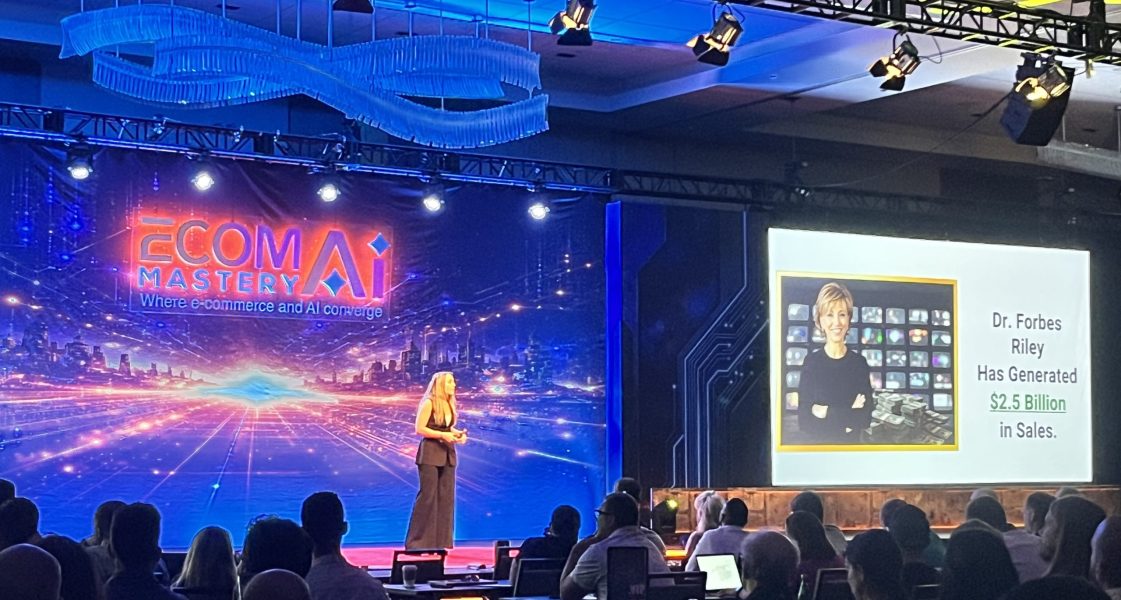
Makenna Riley’s perspective added an interesting layer to the conversation, pulling from a background that predates modern e-commerce entirely. She talked about her mom (Forbes Riley)’s experience on QVC and the Home Shopping Network – long before TikTok Shop existed – and how that style of selling has quietly come back in a new form.
It’s hard not to see the connection. TikTok Shop, in many ways, feels like the modern version of HSN. It’s personality-driven, entertainment-first, and built around real-time engagement. The technology has changed, but the psychology hasn’t.
Her broader point was about staying relevant in that kind of environment:
“Every company needs a kid.”
Maybe not literally, but definitely strategically. Trends move fast, platforms evolve even faster, and what feels intuitive to a brand operator doesn’t always match how younger audiences are actually consuming content. Makenna’s session was a reminder that omnichannel doesn’t just mean being everywhere, but actually understanding how each channel behaves.
Adley Kinsman: Systems, Scale, and the Reps Game
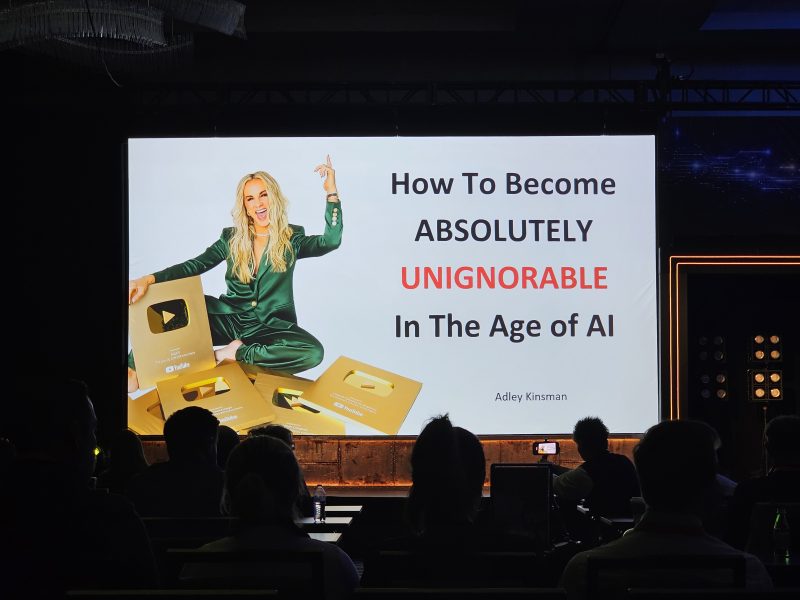
Adley Kinsman brought the conversation back down to execution.
With tens of billions of organic views and a highly systemized approach to content, her perspective was less about theory and more about repetition.
“Content is a rep game.”
Success isn’t about one perfect piece of content, it’s about volume, iteration, and learning what works over time. And increasingly, AI is what makes that level of output possible.
But she was clear about one thing:
“AI isn’t the strategy. It enables the strategy.”
It helps you produce more, test faster, and scale what’s working, but it doesn’t replace the need for structure. That’s where her second point came in. Whether it’s content, operations, or channel management, systems are what turn effort into consistency. Without them, omnichannel quickly becomes overwhelming. With them, it becomes manageable – and eventually, scalable.
Saddle Up, Space Cowboy: Nashville as the Model
By the end of the week, it was hard not to see Nashville differently.
Every honky tonk is competing for attention, but none of them are interchangeable. Each one has its own identity, its own audience, its own reason for existing. Together, they create something bigger: a marketplace that only works because of that diversity.
That’s what e-commerce is becoming.
Not one channel, not one strategy, not one path to purchase – but a collection of distinct experiences, all feeding into each other, and determining together what the future looks like*.
*It may or may not include more of these drone dancers…